
Jon Peters Beehive
Build a Beehive with Ultra Guard Quickcutter Screws
A hardworking exterior screw for outdoor projects that demand a fast start, strong hold, and lasting corrosion protection.
*FREE ground shipping on Orders over $150. Login to your account to see your details.*
Jon Peters's Go-To Screws for Outdoor Projects
Whether you're building a deck, fence, porch swing, beehive, or other outdoor projects, Quickscrews' Ultra Guard Exterior Decking Screws are engineered to drive fast, hold strong, and reduce splitting, even in the hardest woods like teak and ipe. Featuring our proprietary Quickcutter™ Thread with Double Type 17 Point, they provide faster starts with less torque and are designed to reduce or eliminate the need for pre-drilling in many applications. The 2,000-hour Ultra Guard coating delivers long-lasting corrosion protection for pressure-treated lumber, ACQ-treated wood, and other exterior applications.
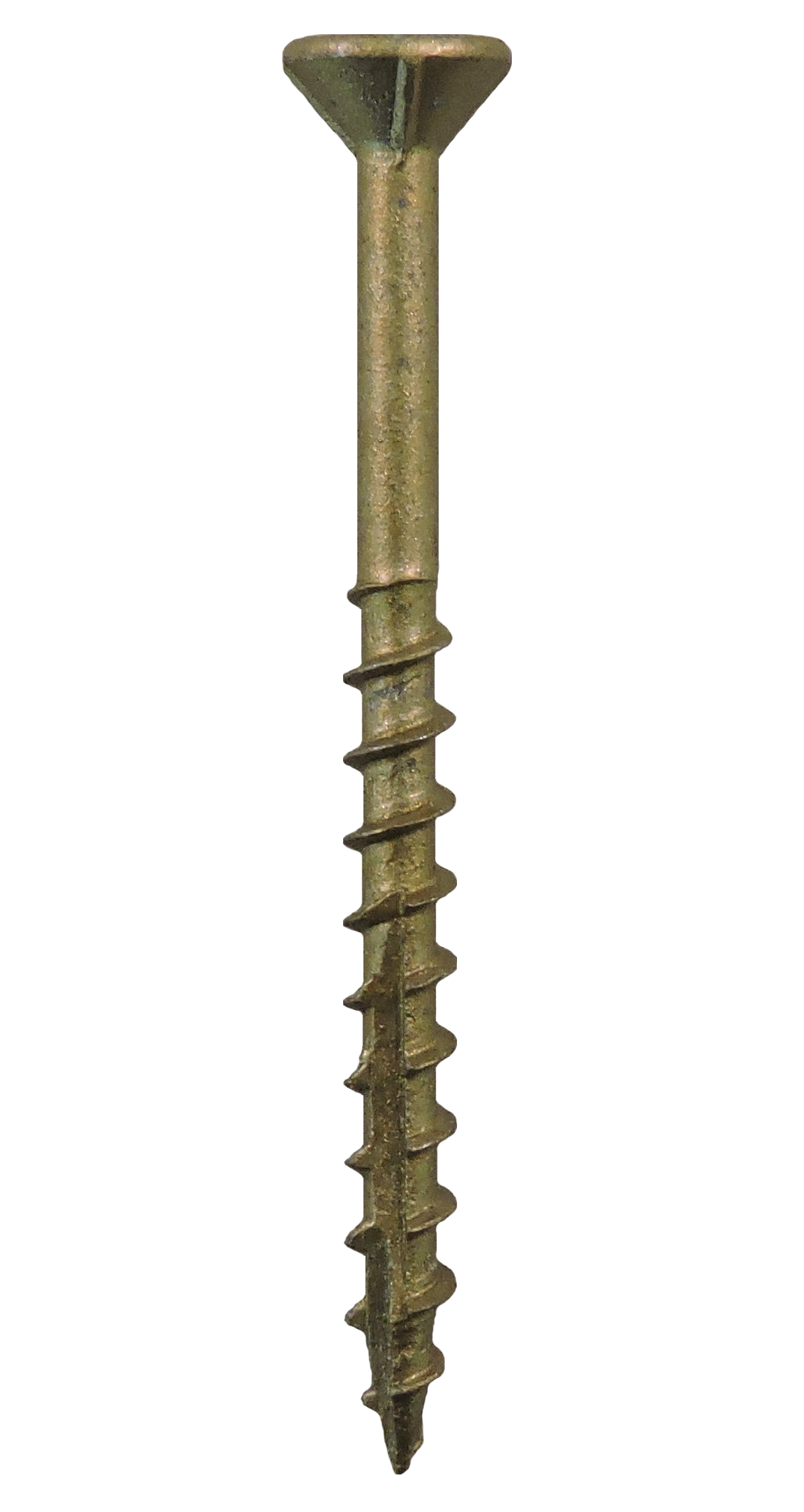


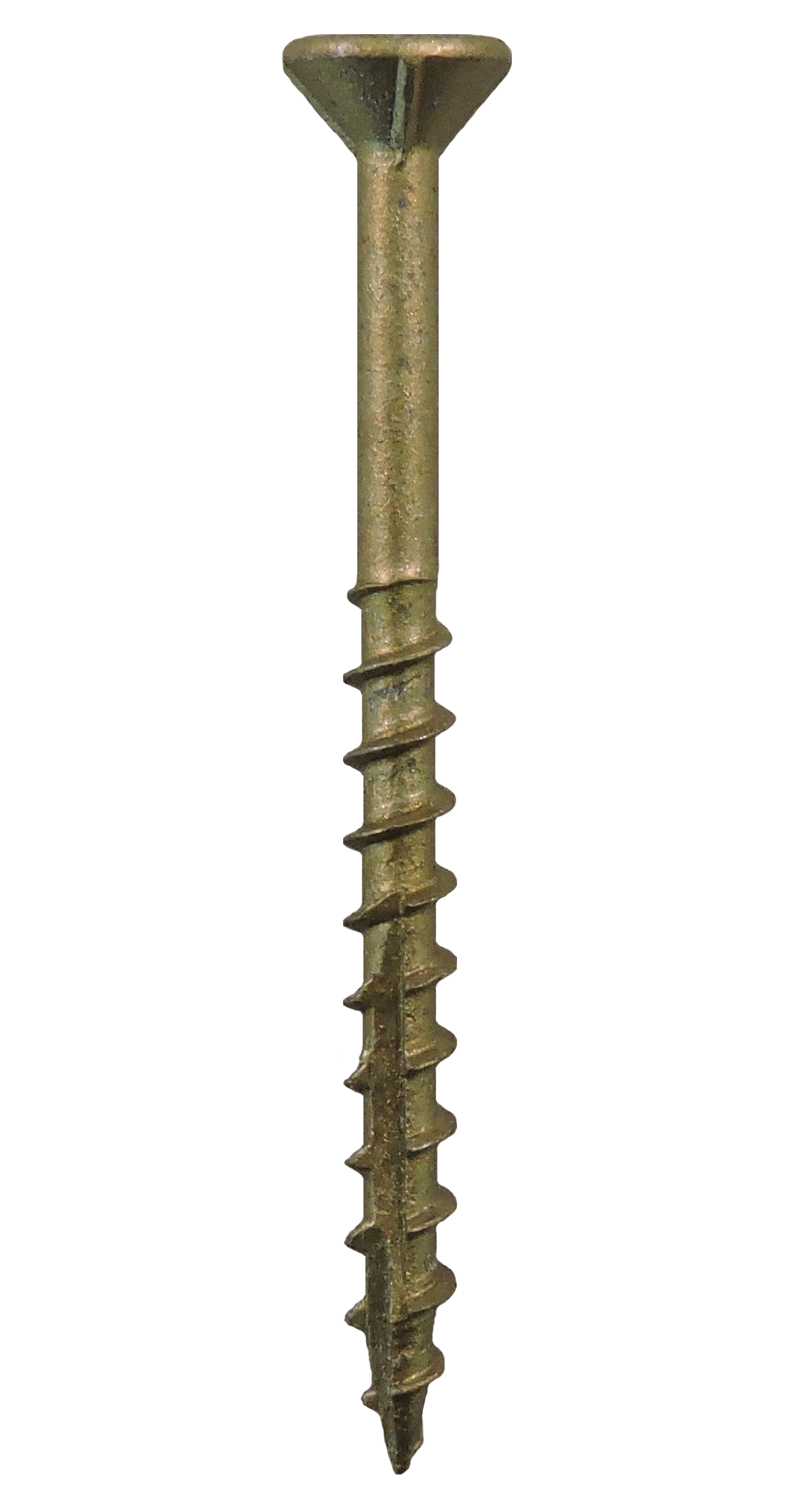
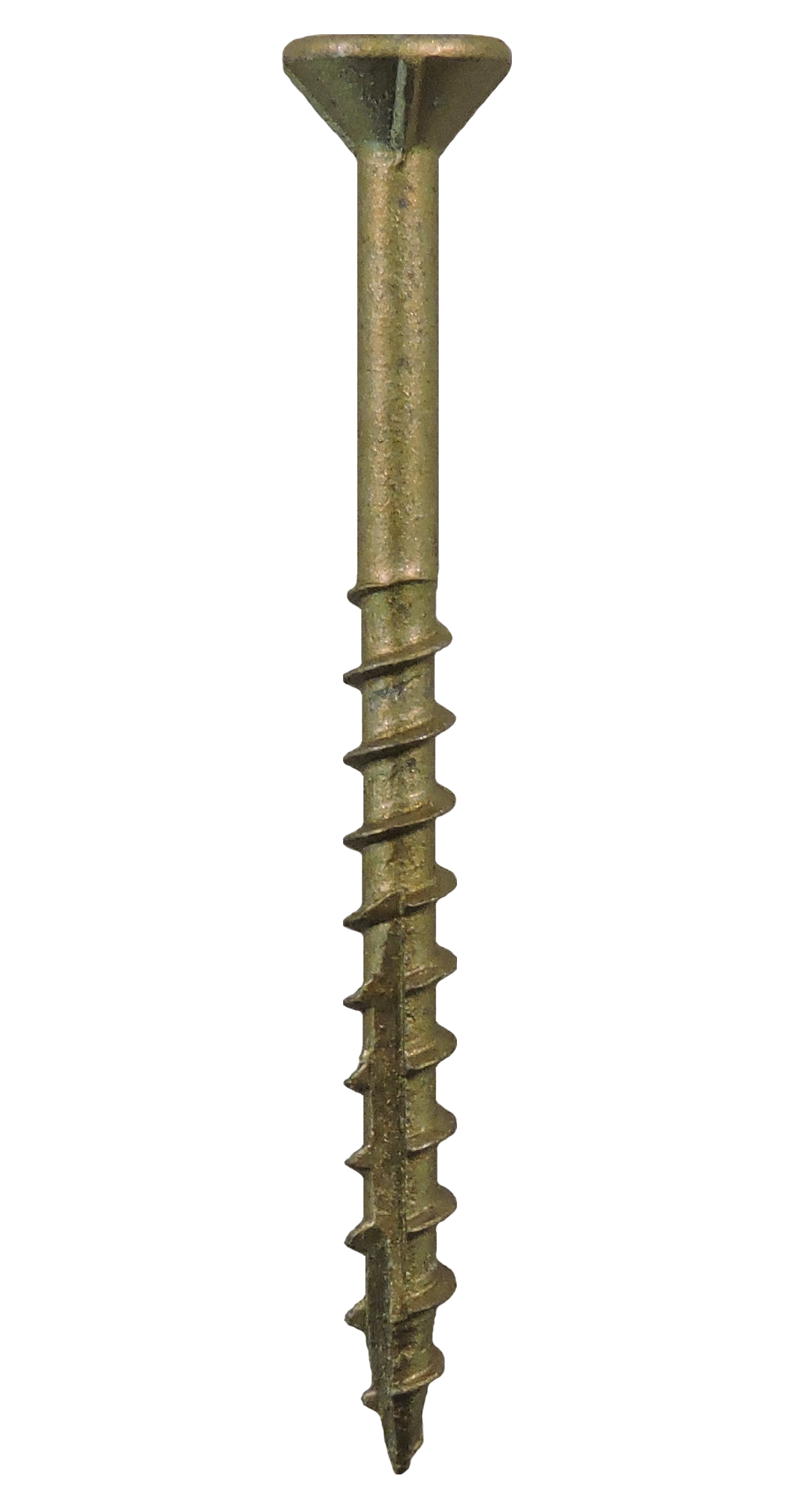
More Lengths Available from 1 1/4 in. to 6 in.
Built for Outdoor Projects
Ideal for decking, fencing, outdoor furniture, and projects using hardwoods such as Teak and Ipe.
2,000-Hour Ultra Guard
Ultra Guard coating provides corrosion protection for exterior applications and use with ACQ-treated lumber.
Quickcutter Double T17 Point
Minimizes pre-drilling, allows stress-free faster driving, greater holding power, and reduces splitting.
Square Drive
Provides no-hands stick fit, smooth driving, and cam-out prevention.
Woodworking Fasteners Built for Better Work
Quickscrews carries a full line of Cabinet Assembly, Cabinet Install, Pocket Hole, Exterior Decking & Fencing, Confirmat, Funnel Head, and Hardware screws, plus the accessories woodworkers rely on every day. From shop-built furniture and cabinetry to decks, fences, and outdoor projects, we help you choose the right fastener for the job so every build goes together faster, cleaner, and with confidence.
The Quickscrews Promise
Quality
A quality project starts with quality components. Long-standing supplier relationships and close attention to the manufacturing process help build quality into every Quickscrews fastener.
Speed
Your production moves fast, and your screw supplier has to keep up. With warehouses in California and South Carolina, fast order processing, and reliable shipping, Quickscrews helps keep delays off your floor.
Service
Questions about screws, applications, pricing, or production challenges are just a phone call away. Real people, practical recommendations, and nearly 40 years of experience are still here to help.
Consistency
In woodworking and cabinet production, small changes can have big consequences. Quickscrews is committed to delivering the same reliable product, service, and experience every time.
Get All 3 Screws in One Bundle
Ultra Guard Exterior Decking Screws combine 2,000-hour corrosion resistance with a fast-starting Quickcutter thread for strong, efficient driving in demanding outdoor builds. Quickscrews backs every box with a commitment to quality, consistency, responsive service, and speed from order to assembly.